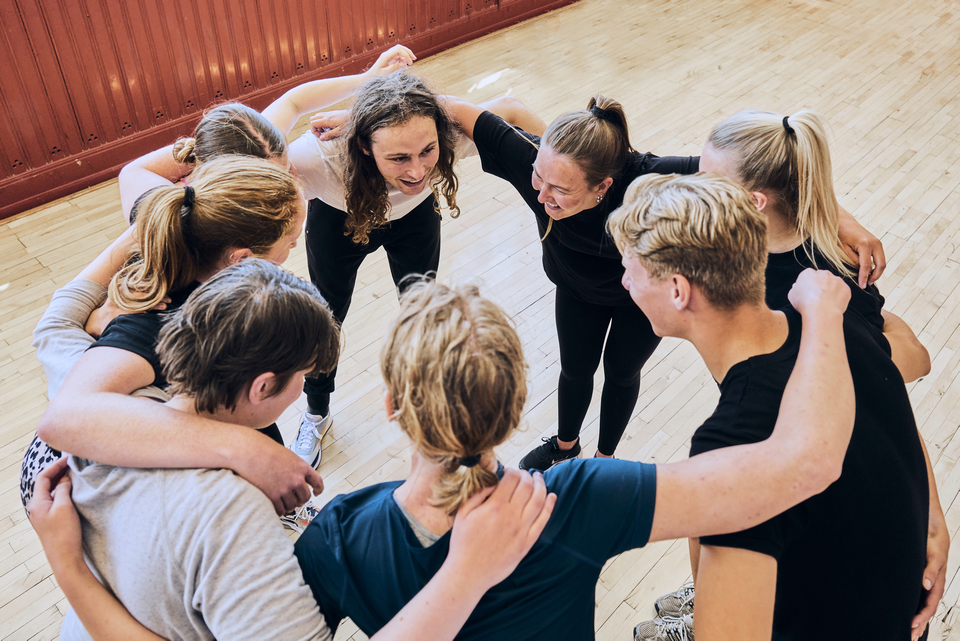
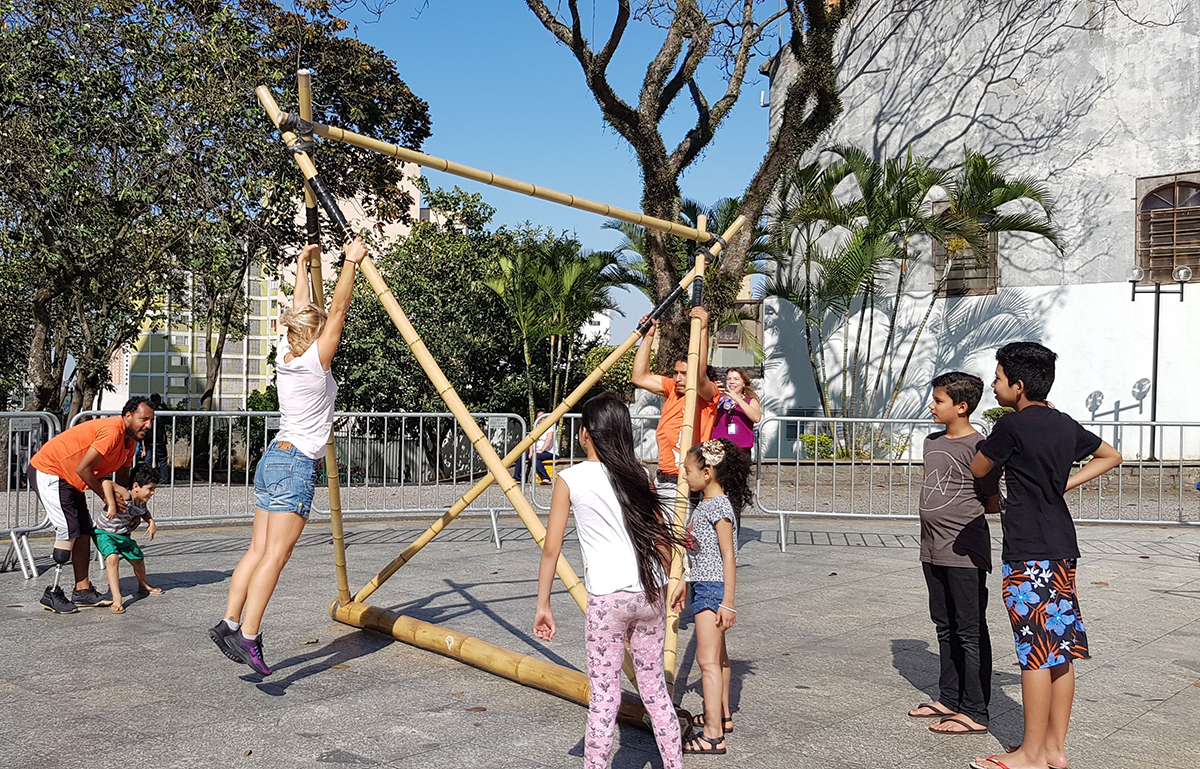
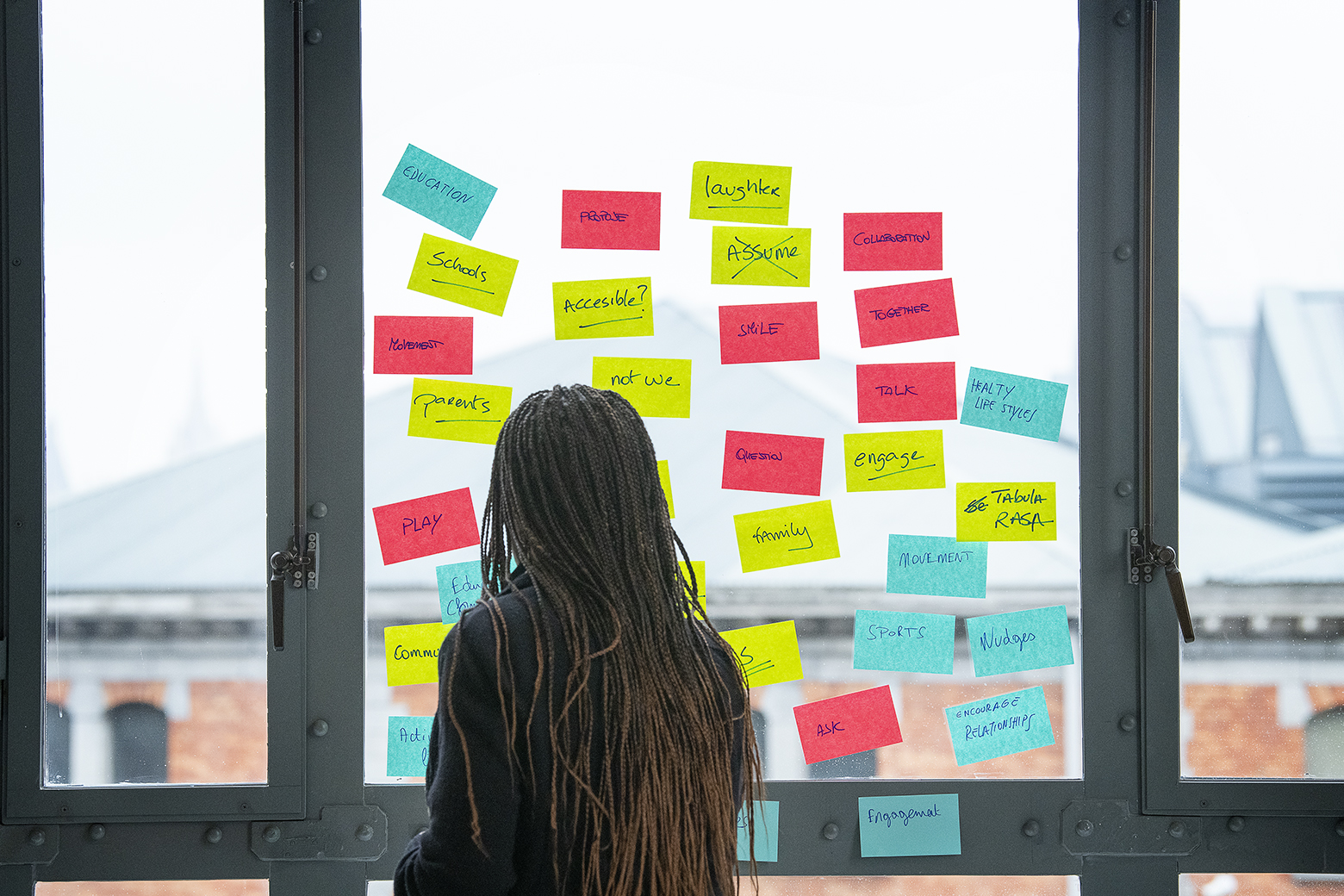
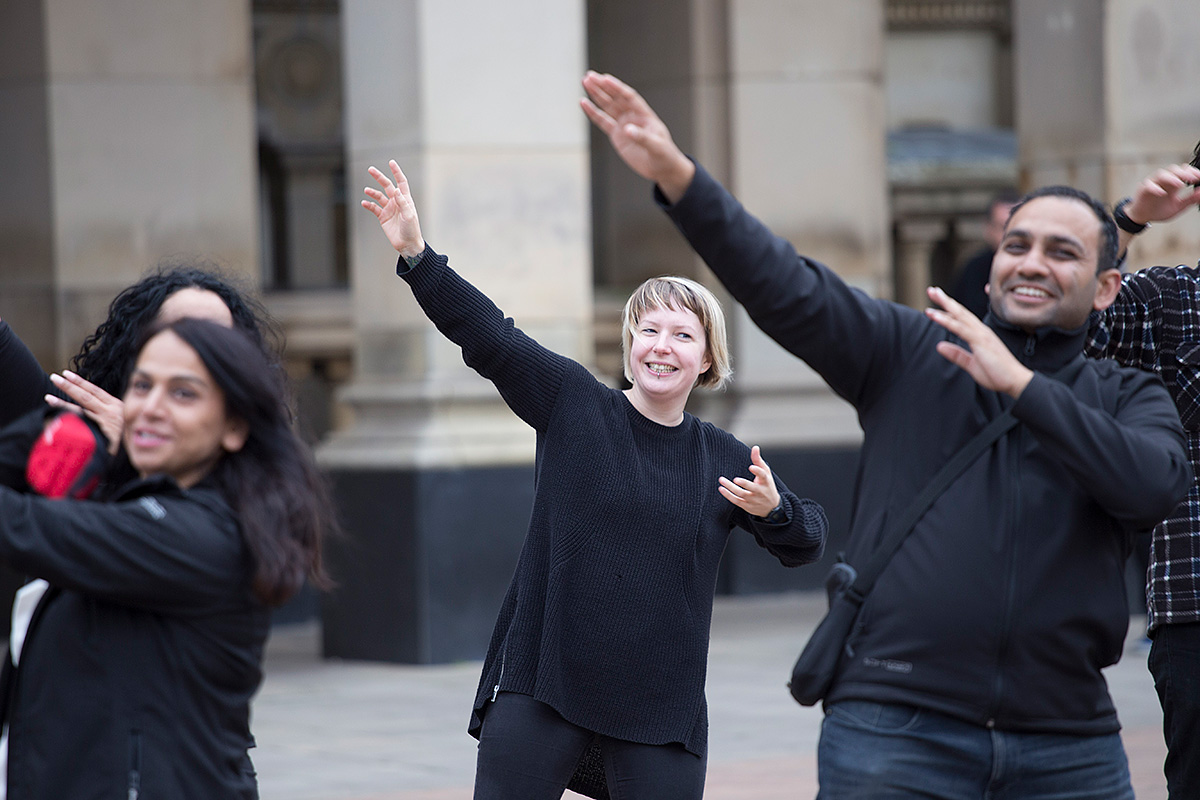
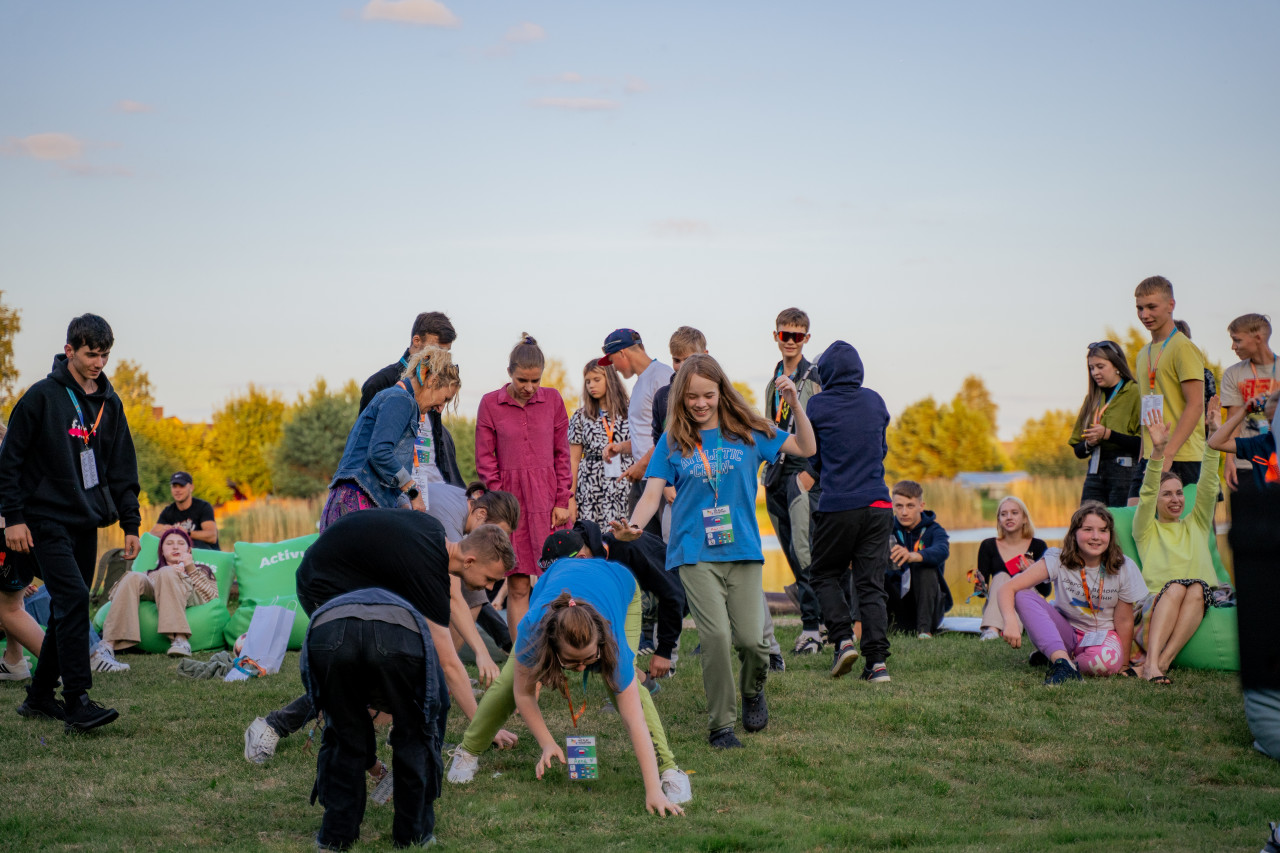
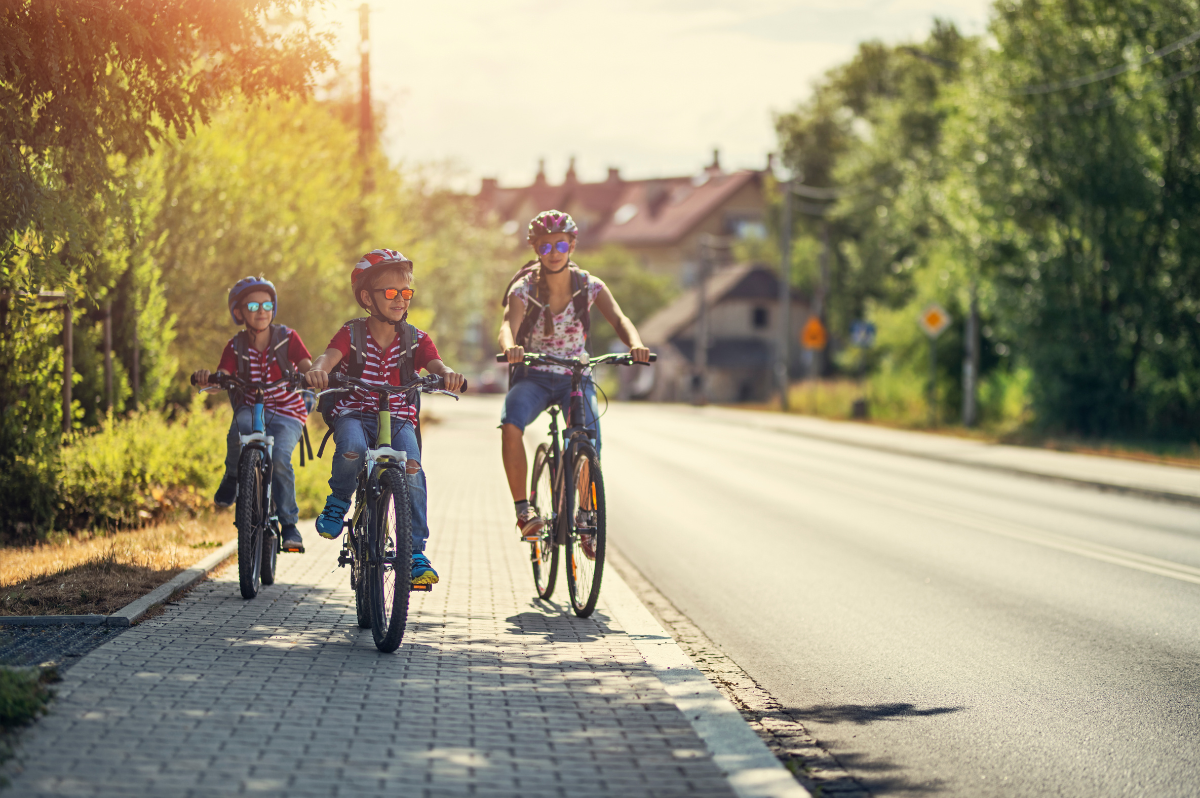
Health goes beyond physical health. Recreational physical activity intersects with physical, mental and social health, enhancing people’s wellbeing.
Social Inclusion in and through Sport
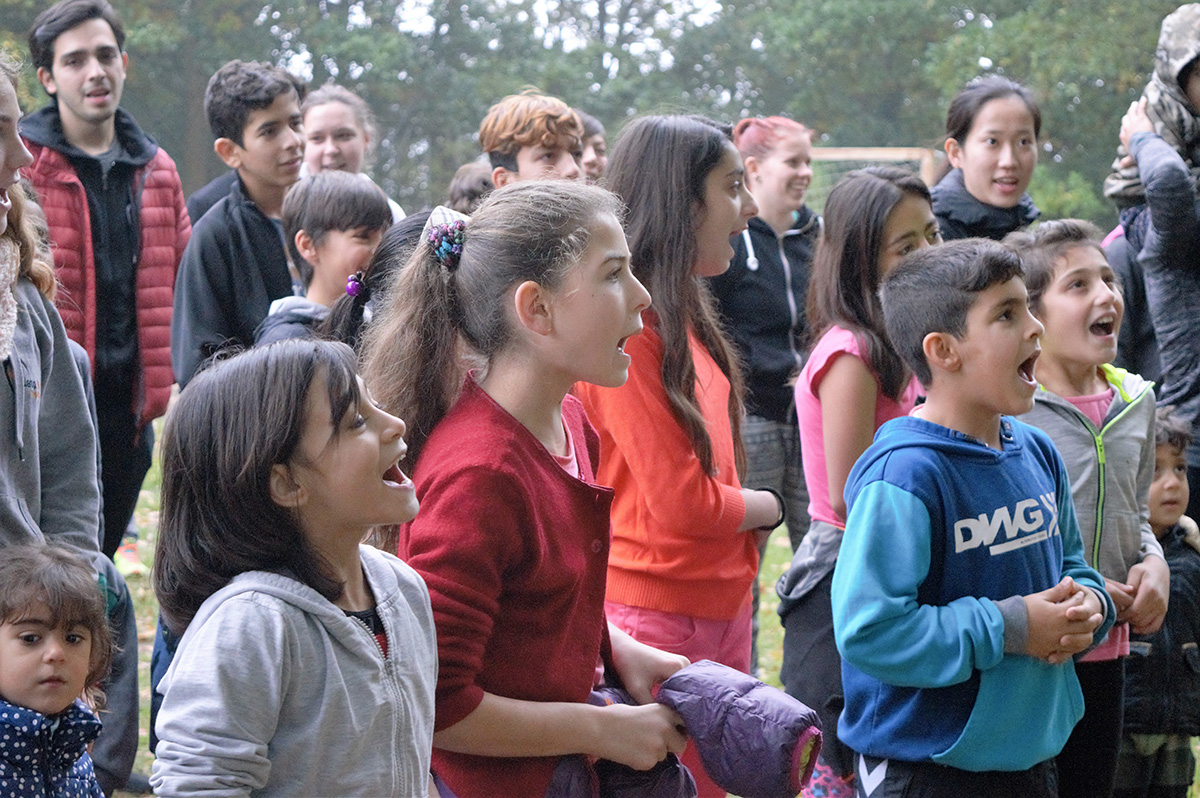
Grassroots sport can support the integration of refugees, encourage social inclusion and create welcoming communities for everyone, but this requires deliberate effort.
Active Living
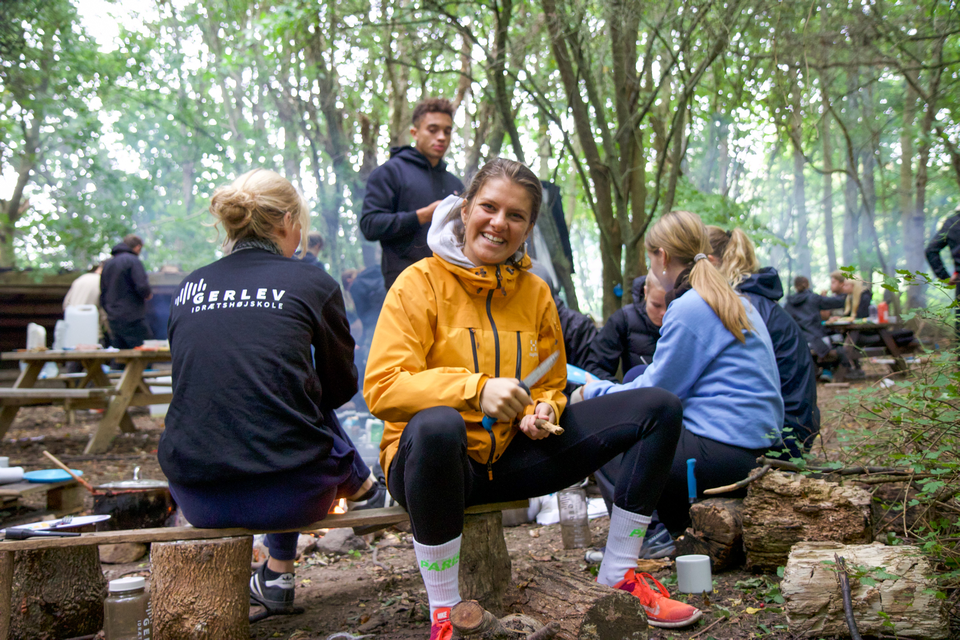
We are all ageing every day. Movement, play, and joyful activity support physical and mental wellbeing, strengthen social connections, and promote healthier ageing. Supporting active lifestyles means empowering individuals and building environments that make staying active easier, balancing personal choice and institutional responsibility.
Volunteering in Sport Associations
Volunteers are the backbone of grassroot sports organisations. Volunteering enriches people’s lives by providing a sense of purpose, new skills and social connections in the local community. How can we motivate and engage volunteers?
Physical and Health Literacy
Just as we teach reading and writing, we must teach physical and health literacy to equip people with the knowledge they need to access and maintain an active lifestyle.
Physically Active Learning
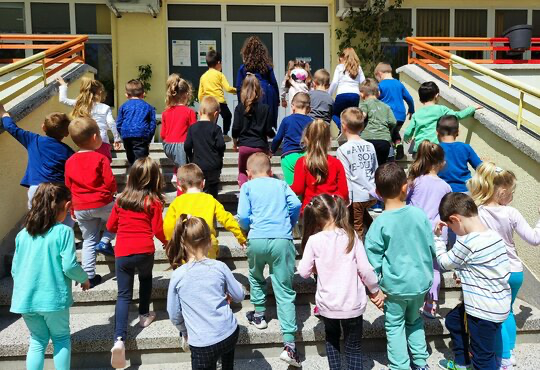
Schools and kindergartens play a significant role in creating healthy habits from childhood. Physically active learning increases participation, and overall well-being by embracing movement throughout the school day.
Youth Engagement and Participation
Engaging children and young people in grassroots sport associations empowers them to shape the future of movement, sports, and society. Beyond viewing them as a target group, we need to amplify their voices in all stages of decision-making and programme design.
Environmental Sustainability
Local sports associations can be catalysts for climate action through education, mobilisation, and adaptation efforts. They can promote eco-friendly behaviour by linking physical activity and well-being with environmental sustainability.
Sport and Physical Activity Advocacy
Physical inactivity and childhood obesity are deepening crises. How can we ensure that political priorities focus on funding physical activity and grassroots sport, so that everyone has a chance to practice their Human Right to MOVE? What kind of policy changes would we want to see?
Fighting Violence in Sport
Violence has no place in sport. Tackling gender-based violence and safeguarding children’s rights are essential to ensuring safety, dignity, and equality for all in grassroot sport. Everyone deserves to experience sport as a positive, empowering space free from harm, fear, or abuse.
Active Cities
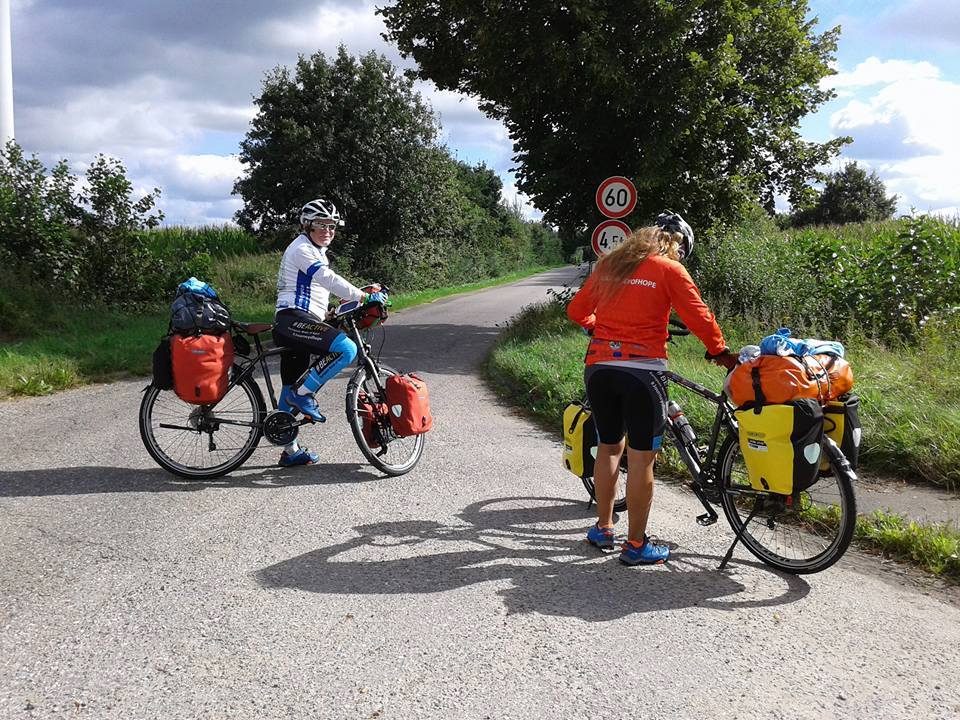
Urban environments play an important role in promoting healthy and active lifestyles. From safe walking and cycling infrastructure to accessible parks and sports facilities, prioritising active living in planning and policy can create healthier, more connected, and more resilient communities.
Investing in Physical Activity
Physical activity and sport for development sometimes struggle to make their voice heard. The sector could better leverage the strong business cases for investing in them; however, when we focus on “monetising” outcomes we risk devaluing or missing other social impact. How and where can the sector use financial measures to make its case, and what are the limitations of this approach?