
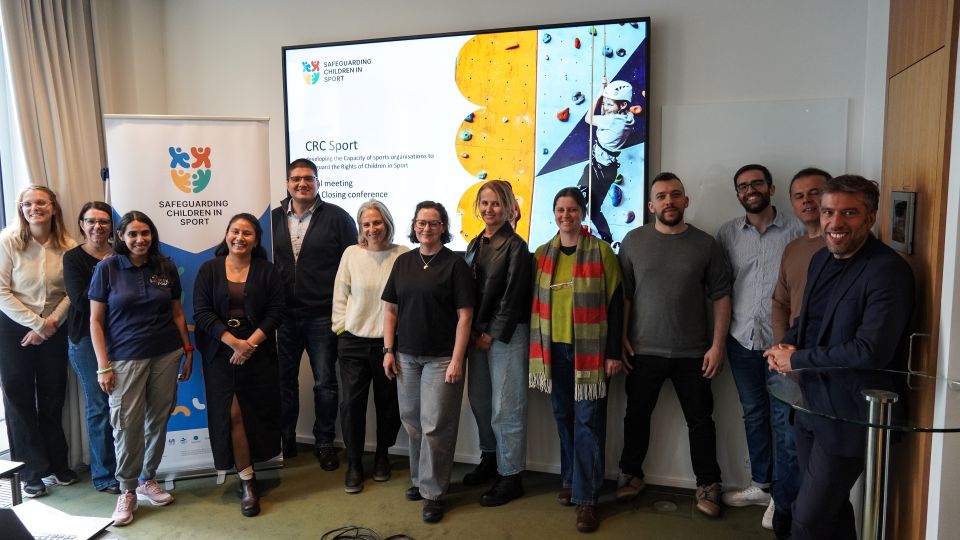
The CRC Sport partnership gathered for its final meeting alongside the MOVE Congress. The partners reflected on two years of progress, presented a new roadmap for child protection, and tackled the complex “top-down” versus “bottom-up” challenges within the sports sector.
The “Developing the Capacity of Sports Organisations to Safeguarding the Rights of Children in Sport” (CRC Sport) project is drawing to a close. To mark the end of their collaboration, the consortium held its final in-person meeting in Copenhagen. The event, which took place alongside the MOVE Congress 2025, offered a deep dive into the evolving culture of youth sport.
Moving From Compliance to Culture
A key topic at the final meeting was the noticeable shift in the approach sports organizations are taking toward safeguarding. Project partners observed that, over the course of the implementation phase, there has been a genuine change in attitude. This marks a clear move away from the initial perception held by some grassroots organizations that safeguarding was merely a ‘tick-box’ exercise.
The partners discussed the reality that organisations are now beginning to reflect more deeply on their recruitment criteria and the environment they offer to children. However, significant challenges remain. The group debated the tension between “top-down” legal frameworks imposed by governments and the readiness of “bottom-up” grassroots clubs to implement them.
There was also a frank discussion about the “medalist” culture, where abusive coaching behaviours are sometimes tolerated if they produce winning athletes, a mindset the project aims to dismantle.
Showcasing Results at MOVE Congress

The project was allowed to use the MOVE Congress event as a dissemination platform. The CRC Sport team participated in the Speed Dating session, allowing the international crowd to learn about the project’s outcomes and tools face-to-face. Hearing from project partners itself.
Furthermore, the project leader – dr Simone Digennaro from UNICAS, took part in a dedicated session, Safeguarding Sport: Protecting and Empowering Refugee Children , sharing insights from the project’s research and implementation phases.

Read more about the session Global IRTS Forum at MOVE Congress 2025: the shared language of protection and belonging here.
This international visibility was crucial for the project’s valorisation strategy, ensuring that the findings reach beyond the partner network and influence the wider European sports community.
Tools for the Future
The partnership used this final gathering to put the finishing touches on the project’s major deliverables:
Next Steps
While the official meetings have concluded, the work continues. The partners are now finalising a sustainability plan to ensure these tools are adopted by universities and sports federations long after the project funding ends.
As the discussion highlighted, the goal is to ensure that the next generation of sports professionals is not just aware of safeguarding but is actively trained to prioritise it.

Key project facts:
The project is funded by the Erasmus+ Sport Programme of the European Union
Project period: Jan 2024-Dec 2025
Consortium:

Co-funded by the European Union. Views and opinions expressed are however those of the author(s) only and do not necessarily reflect those of the European Union or the European Education and Culture Executive Agency (EACEA). Neither the European Union nor EACEA can be held responsible for them.

